How to Plan a School Fundraiser That Actually Raises Money
Let's start with an honest confession: most school fundraisers are painful. For everyone involved.
Parents get the flyer in the backpack. They sigh. They ask their kid if they really need to sell 40 rolls of wrapping paper. The kid shrugs. The wrapping paper sits in the trunk for three weeks. Eventually, Grandma buys four rolls out of obligation. Net proceeds: $11.50.
Sound familiar? You're not alone. Fundraiser fatigue is real, and it's the number one reason school fundraisers underperform. But here's the good news: there are fundraiser formats that actually work — that families enjoy, that require minimal volunteer labor, and that consistently raise real money. This guide will show you which ones.
The Fundraiser Fatigue Problem
Before we get into solutions, let's name the problem. School communities are over it when it comes to traditional fundraising, and for good reason:
- Too many asks — between the PTA, booster clubs, classroom funds, and individual team fundraisers, families get hit 10+ times per year
- Selling stuff nobody wants — wrapping paper, cookie dough, coupon books, magazine subscriptions. The margins are thin and the enthusiasm is thinner.
- Volunteer burnout — organizing a car wash, bake sale, or auction takes dozens of volunteer hours for often modest returns
- Low participation — by the third fundraiser of the semester, only the same 15 families are still showing up
The solution isn't to fundraise less — schools genuinely need the money. The solution is to fundraise smarter. That means choosing formats that are easy on families, easy on volunteers, and effective at generating revenue.
5 Types of School Fundraisers, Ranked
Not all fundraisers are created equal. Here's an honest ranking based on effort required, family enjoyment, and actual dollars raised:
Best Restaurant Spirit Nights
Effort: Low | Enjoyment: High | Revenue: $500–$1,000 per event
Families eat at a partner restaurant during a designated time window. A percentage of sales goes back to the school. No inventory, no selling, no volunteer labor on event night — just show up and eat. Families love it because they were going to eat dinner anyway. We'll go deep on this one below.
2nd Online Donation Campaigns
Effort: Low | Enjoyment: Neutral | Revenue: Varies widely
Platforms like GoFundMe, 99Pledges, or school-specific tools let families donate directly. No products, no middlemen. The downside: it's basically asking for money, which can feel awkward. Works best when tied to a specific project ("Help us fund the new playground equipment") rather than a generic ask.
3rd Fun Run / Walk-a-Thon
Effort: Medium | Enjoyment: High | Revenue: $5,000–$20,000 (once per year)
Kids get pledges per lap, then run their hearts out on event day. These can raise big money, but they take significant planning — sponsors, setup, logistics, prize incentives. Best as an annual anchor event, not a recurring fundraiser.
4th Bake Sales and Carnivals
Effort: High | Enjoyment: High | Revenue: $200–$1,000
Community favorites, but the math is rough. A bake sale requires dozens of volunteers baking, setting up, selling, and cleaning up — all for what might be a few hundred dollars. Carnivals are fun but expensive to produce. Great for community building, less great for fundraising efficiency.
5th Product Sales (Wrapping Paper, Cookie Dough, etc.)
Effort: Medium | Enjoyment: Low | Revenue: $500–$3,000
The classic — and the most fatigued. Kids take home catalogs, parents awkwardly pitch coworkers, and the school keeps 30–40% of sales. It works, technically, but participation drops every year. If you're still doing these, consider swapping at least half of them for Spirit Nights.
Why Restaurant Spirit Nights Win
Here's why Spirit Nights have become the go-to fundraiser for PTAs and booster clubs that actually want to raise money without burning out their community:
- Zero upfront cost — there's nothing to buy, no inventory to manage, no financial risk
- Minimal volunteer time — the restaurant does all the work. Your job is just promotion.
- Families enjoy it — eating out together is fun. Nobody dreads a Spirit Night the way they dread another product catalog.
- Repeatable — you can do one monthly without fatigue. In fact, families look forward to them.
- Builds community — it's a social event. Families run into each other, kids play together, teachers show up. It has a "school night out" vibe that strengthens the community.
- Scales with promotion — the more people who show up, the more you raise. Good promotion = good revenue. It's straightforward.
How Spirit Nights Work at Moe's Southwest Grill
Here's the deal at Moe's Southwest Grill Spirit Nights: your school picks a date and a time window (usually a 3–4 hour evening block). During that window, families come eat at Moe's and mention their school at checkout. A percentage of those qualifying sales goes directly back to your organization.
That's it. No catalogs, no order forms, no "Top Seller" prizes. Just dinner.
The restaurant handles everything on-site — food, staff, setup. Your only job is getting families through the door, which is where promotion comes in (more on that in a second).
Moe's is especially well-suited for Spirit Nights because:
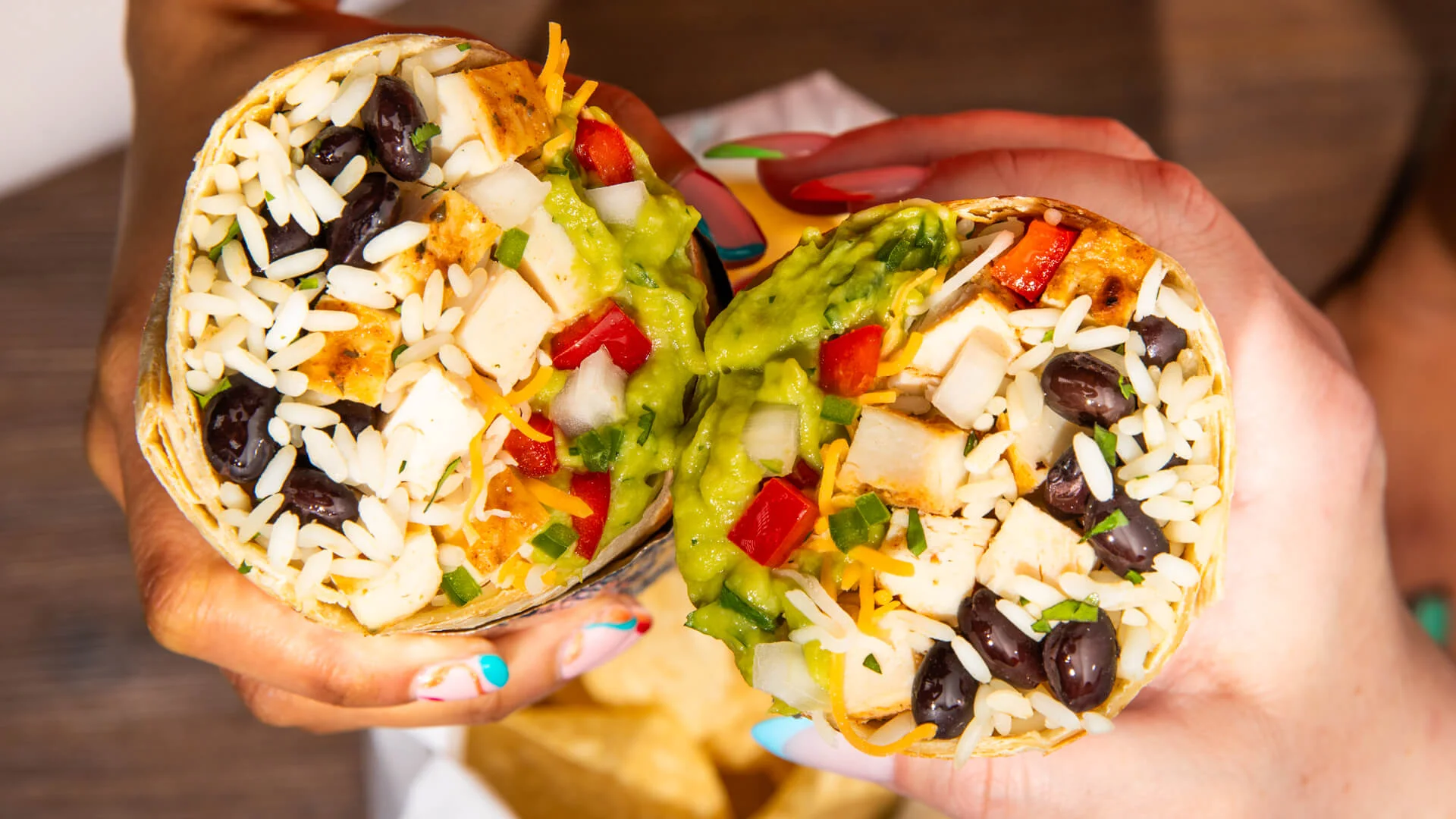
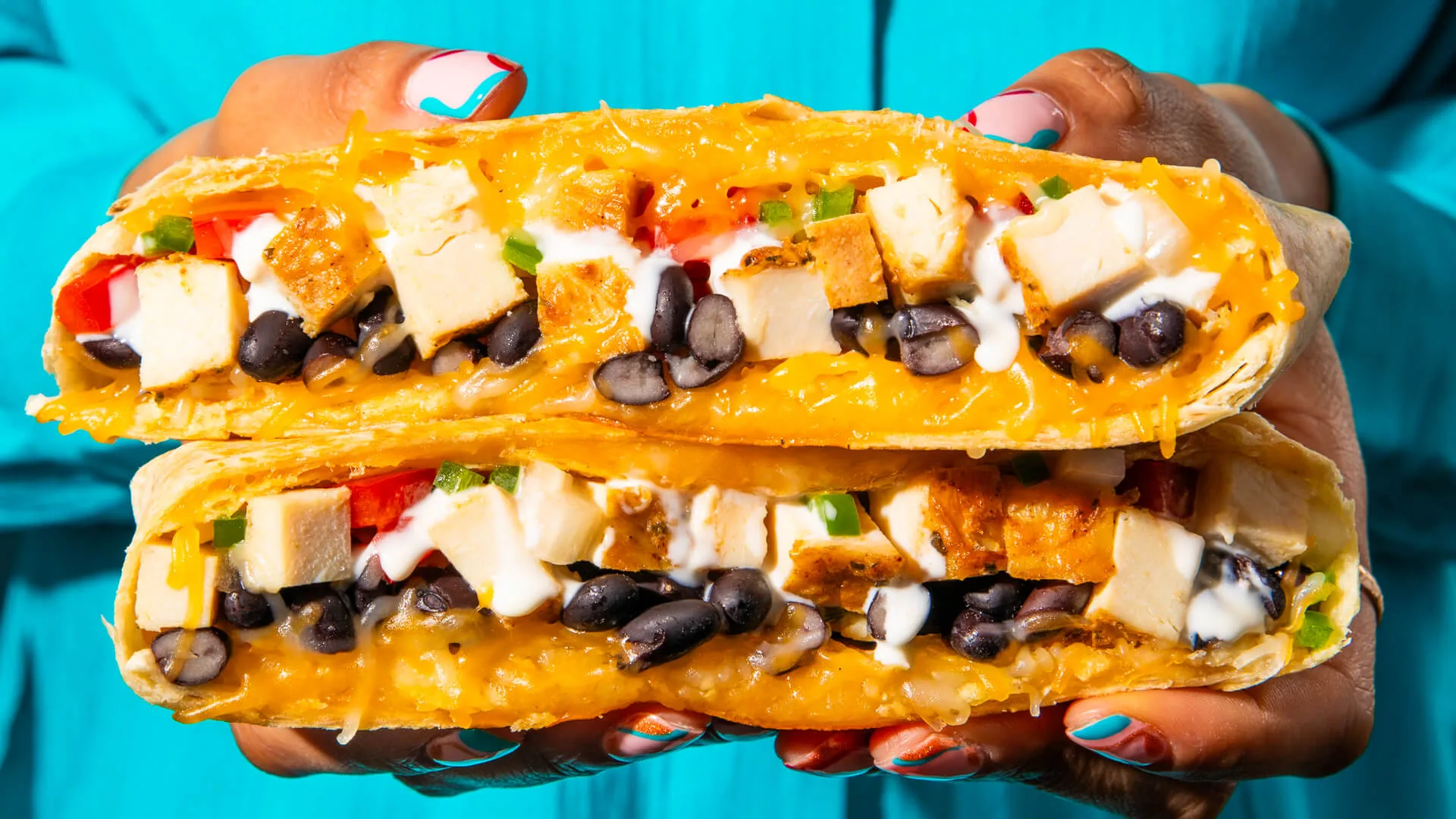
- Kid-friendly menu — kids meals, quesadillas, tacos. Every kid finds something they'll eat.
- Family-friendly pricing — a family of four can eat for under $40
- Fast service — no long waits. Families get in and out on a school night without it becoming a production.
- Customizable — picky eaters, food allergies, vegetarian kids — the build-your-own format handles it all
Quality Fresca operates 51 Moe's locations across the Southeast — check our Spirit Nights page to find a location near your school.
The Math: What a Spirit Night Actually Raises
📊 Real-World Spirit Night Numbers
Scenario A — Average turnout: 60 families come through, average ticket of $28. That's $1,680 in total sales. At a typical give-back percentage, your school walks away with $400–$500.
Scenario B — Strong promotion: 100+ families, average ticket of $30. That's $3,000+ in sales and $750–$1,000+ for your school.
Monthly cadence: Run one Spirit Night per month across a 9-month school year. Even at the conservative end, that's $3,600–$4,500 per year — from dinners families were going to eat anyway.
Compare that to a wrapping paper sale that takes weeks of effort, annoys half your parent community, and nets maybe $1,500. The math speaks for itself.
7 Tips to Maximize Your Spirit Night Revenue
The difference between a $400 Spirit Night and a $1,000 Spirit Night almost always comes down to promotion. Here's what the top-performing schools do:
1. Start Promoting 2 Weeks Out
Don't wait until the day before. Send the first announcement two weeks ahead, then ramp up reminders as the date approaches. The day-of reminder is the most important — that's when families decide "yes, let's do Moe's tonight."
2. Use Every Channel You Have
- Backpack flyers (still the most effective for elementary schools)
- Email blast from the PTA/school
- Facebook group post — pin it
- Text reminders via Remind, ClassDojo, or your school's messaging app
- Morning announcements at school
- Classroom reminders from teachers the day of
3. Get Teachers Involved
When a teacher says "I'll be at Moe's tonight — hope to see some of you there!" the impact is huge. Kids drag their parents. Some schools turn it into a soft competition between grade levels: which class has the highest turnout?
4. Make It Social on Social Media
Post photos from the event in real time. Tag the school. Create a simple hashtag. When families see other families there, FOMO kicks in — and next month's turnout goes up. Post a "thank you" the next day with the amount raised.
5. Pick the Right Night
Tuesday, Wednesday, and Thursday evenings tend to work best. Monday is too early in the week (families are still recovering from the weekend). Friday is too competitive — families have other plans. Avoid holiday weeks and school break weeks.
6. Bring Something Fun
Some schools bring a spirit sign, wear school colors, or set up a small table with stickers for kids. It doesn't have to be elaborate — just something that makes it feel like an event rather than just dinner.
7. Thank Families and Share Results
The day after the Spirit Night, send a message: "Thanks to everyone who came out! We raised $XXX for [specific use]." This does two things — it shows gratitude, and it shows that the money is real and going somewhere meaningful. That builds participation for next time.
Ready to Book a Spirit Night?
Moe's Southwest Grill Spirit Nights are free to set up, easy to run, and raise real money for your school. Book your date and start raising funds.
Book a Spirit Night →Beyond Spirit Nights: Building a Fundraising Calendar
The smartest PTAs don't rely on one type of fundraiser. They build a calendar:
- Monthly Spirit Nights — steady, predictable revenue with minimal effort. Rotate between different Moe's locations in your area.
- One annual anchor event — a fun run, gala, or carnival that rallies the whole community once a year
- One direct-ask campaign — an online donation drive tied to a specific project, once per semester
- Eliminate the rest — if it's not raising real money relative to the effort, drop it. Your families will thank you.
This approach raises more total dollars, requires less volunteer time, and keeps your community engaged instead of exhausted.
Frequently Asked Questions
What is a Spirit Night fundraiser?
A Spirit Night is a restaurant fundraiser where a percentage of sales during a specific time window goes back to your school or organization. Families eat dinner at the restaurant, mention their school at checkout, and a portion of their purchase is donated. There's nothing to sell, no inventory to manage, and no upfront costs — families just eat out and the school earns money.
How much money can a school raise at a Spirit Night?
A well-promoted Spirit Night at Moe's Southwest Grill typically raises $500–$1,000 per event. The exact amount depends on your turnout and total sales. Schools with strong promotion — flyers sent home, social media posts, email blasts, and classroom reminders — consistently hit the higher end of that range. Some larger schools with great turnout have exceeded $1,000 in a single evening.
How do I book a Spirit Night at Moe's?
Visit qualityfresca.com/spirit-nights.html to learn about the program and find your nearest participating location. You can also contact your local Quality Fresca Moe's directly to schedule a date. We recommend booking 3–4 weeks in advance to give yourself time to promote the event. Our team will help you with flyer templates and everything you need.
What percentage of sales goes to the school during a Spirit Night?
At Moe's Southwest Grill Spirit Nights operated by Quality Fresca, a generous percentage of qualifying sales during your event window is donated back to your school. The exact percentage may vary by location — contact your local Moe's or visit qualityfresca.com/spirit-nights.html for current program details.
How often can we hold Spirit Night fundraisers?
Most schools schedule Spirit Nights monthly or quarterly. Monthly events keep the momentum going and spread your fundraising across the school year instead of relying on one or two big pushes. You can rotate between different Moe's locations in your area to keep things fresh and reach families near different parts of town.
What types of organizations can host Spirit Nights?
Spirit Nights aren't just for schools! PTAs, booster clubs, sports teams, church youth groups, scout troops, dance teams, and nonprofit organizations can all host Spirit Night fundraisers at Moe's. If you're a community organization that needs to raise funds, you're probably eligible. Reach out to your local Quality Fresca Moe's location to get started.